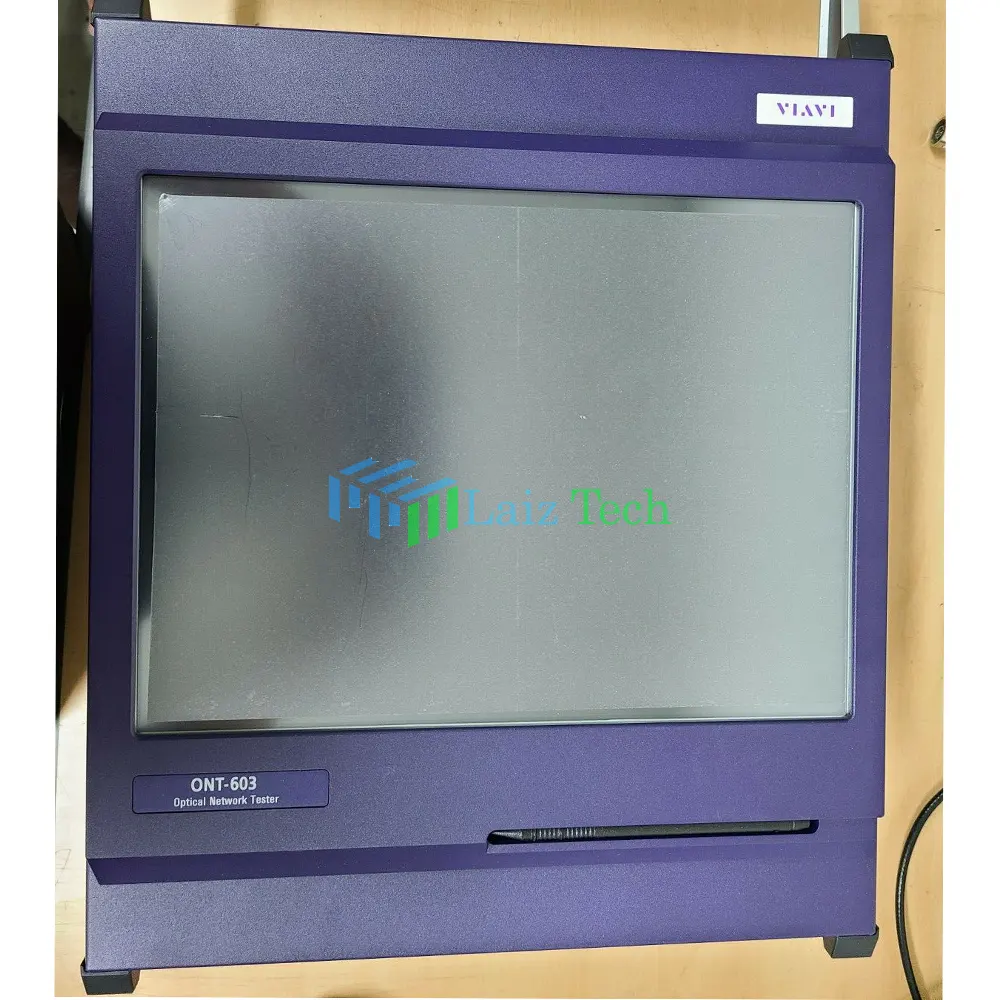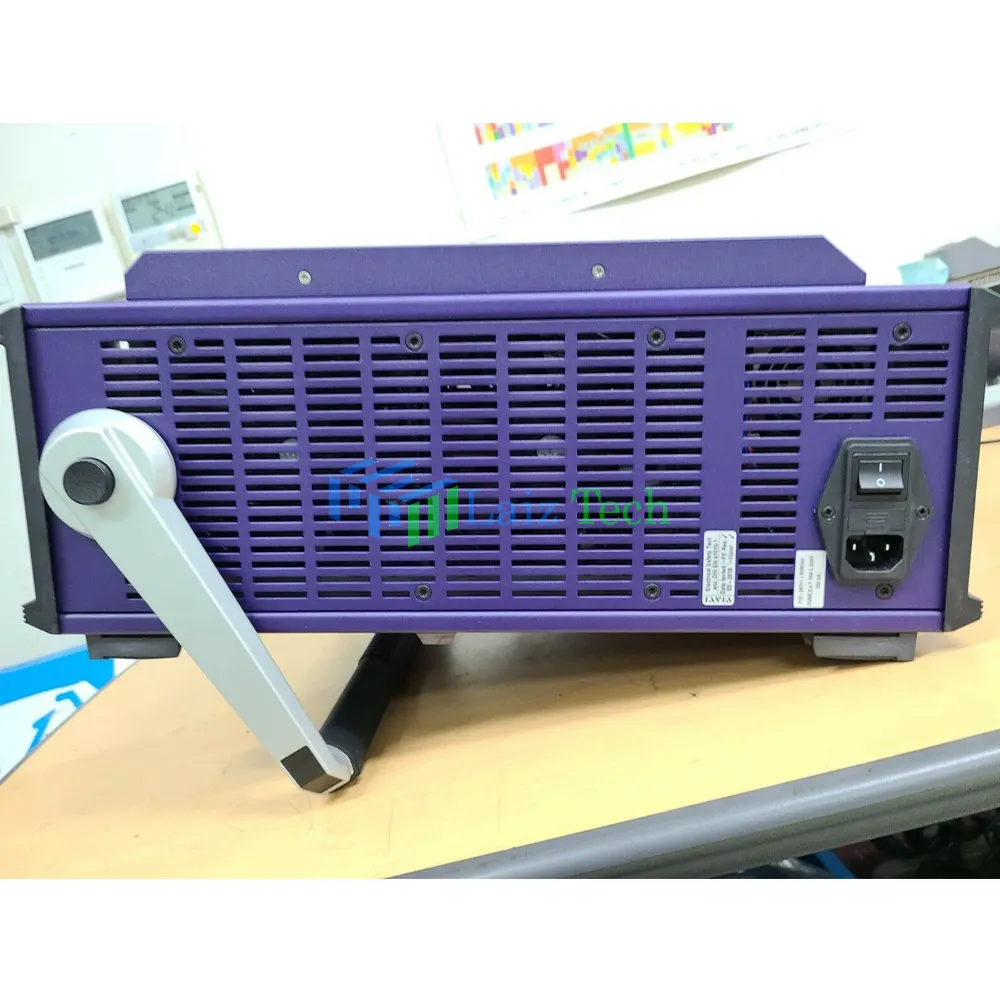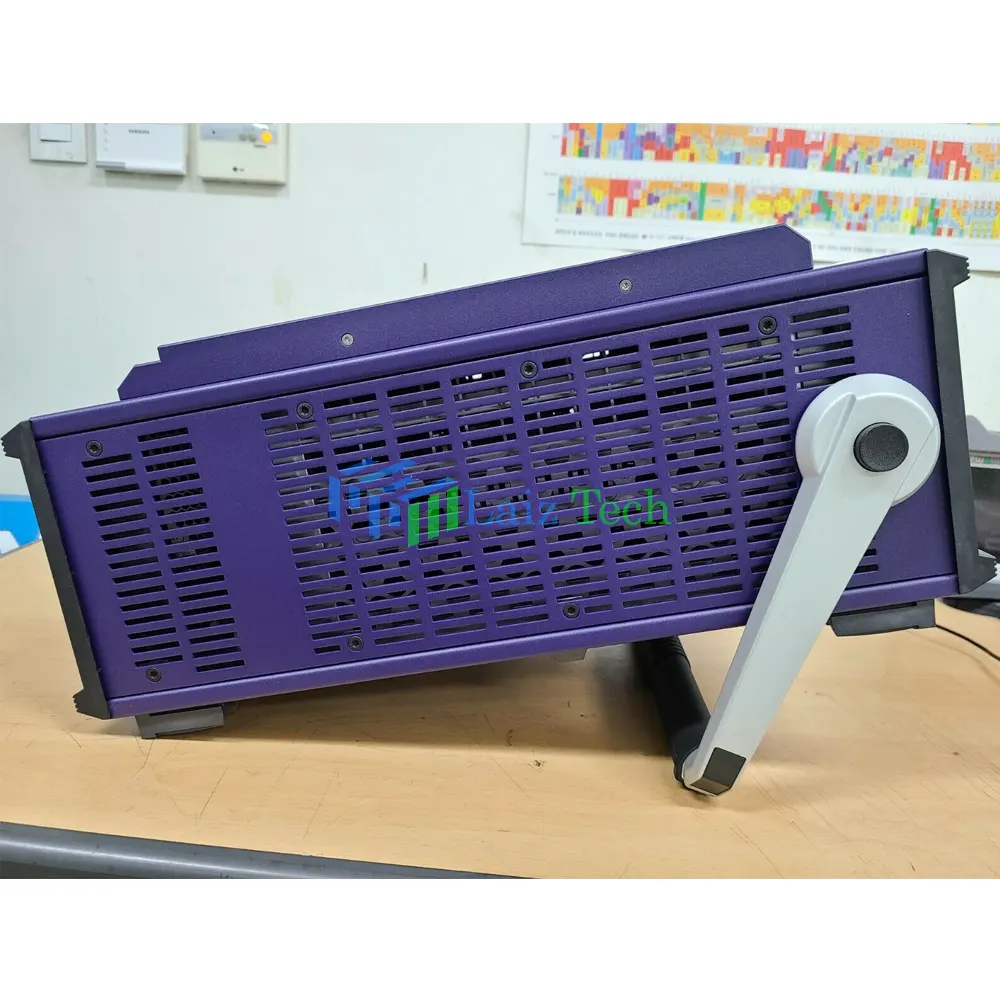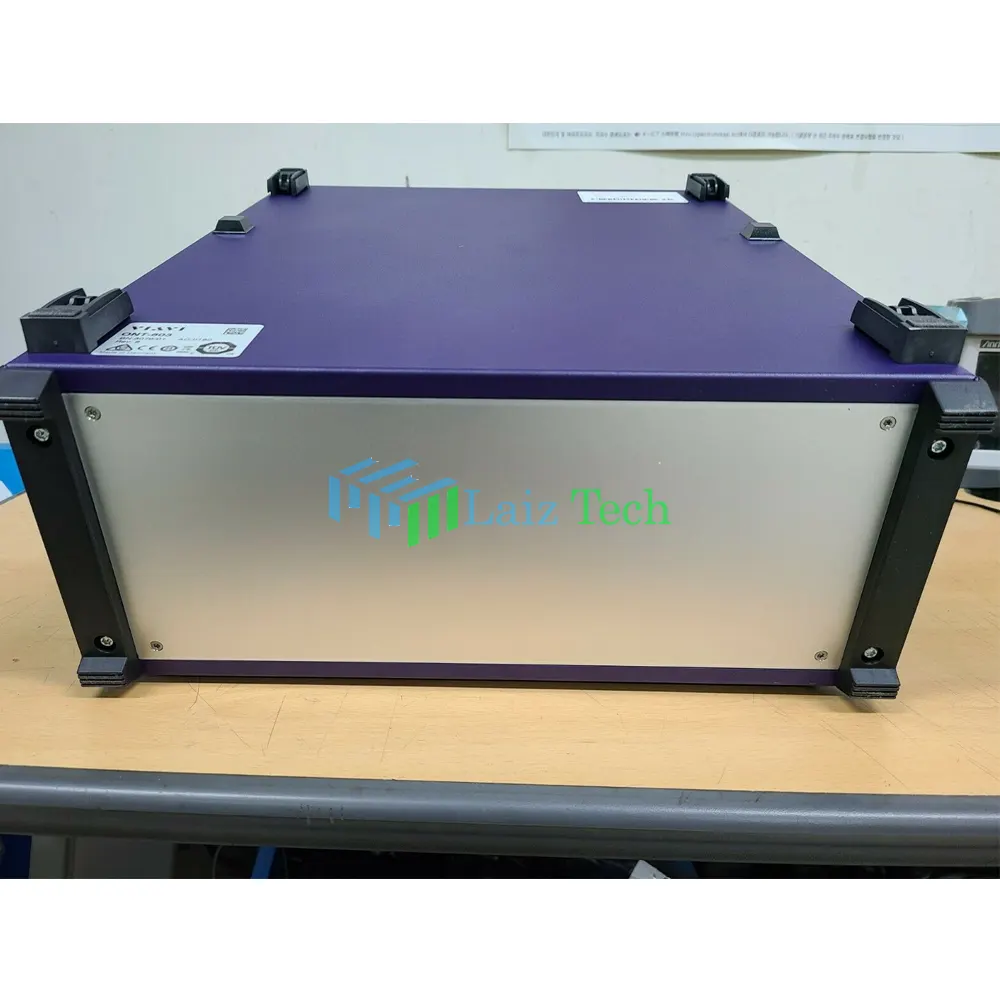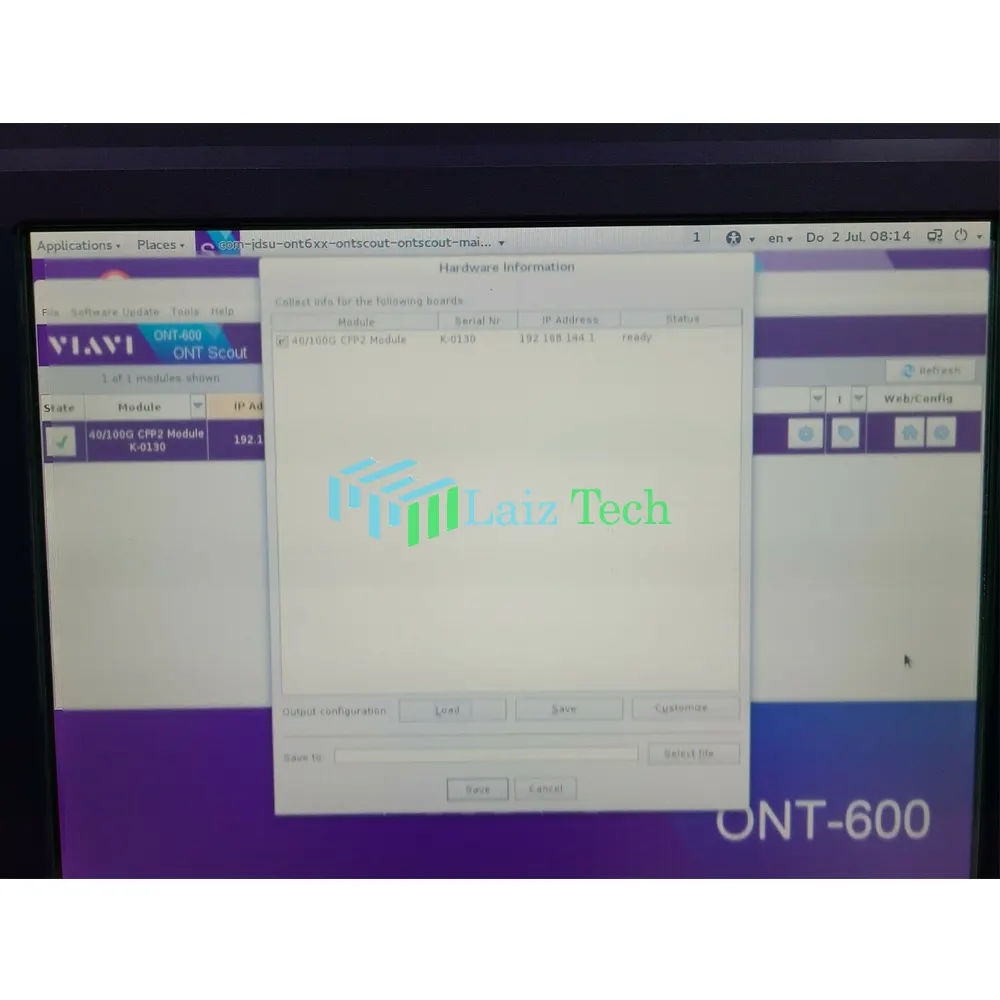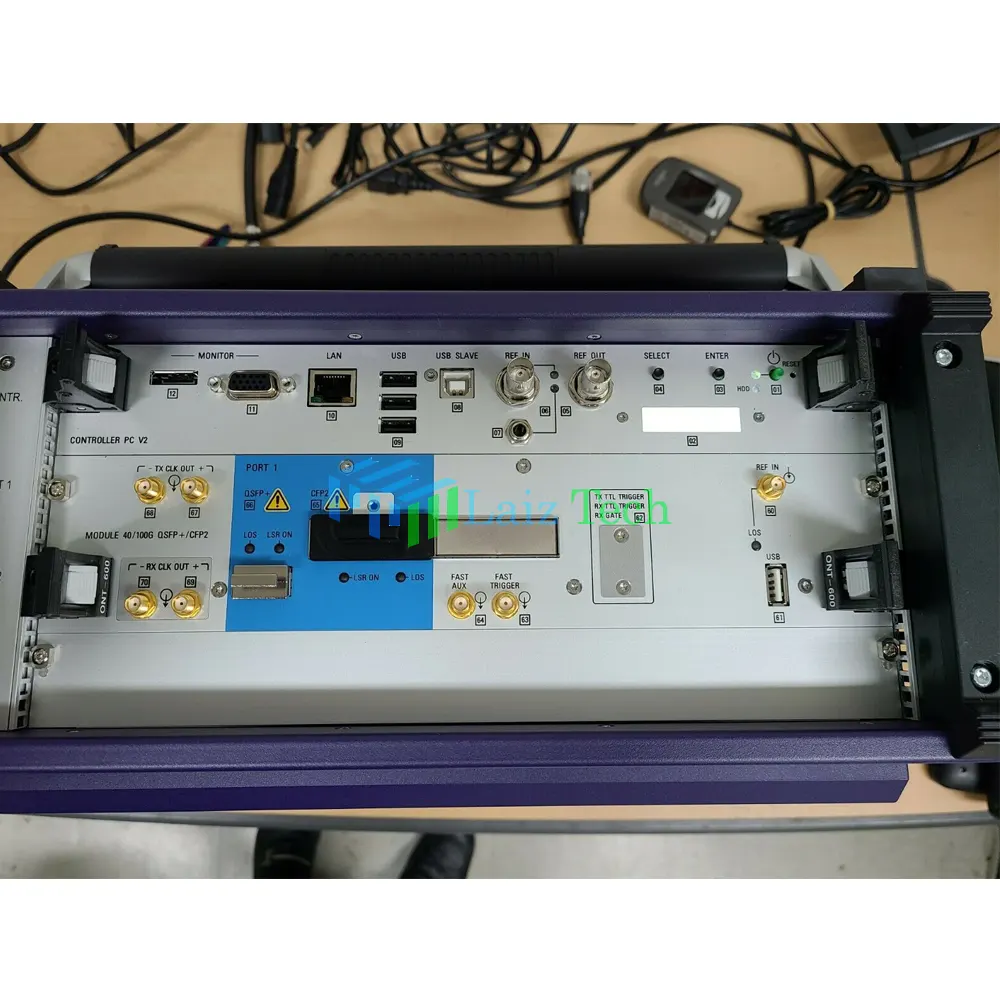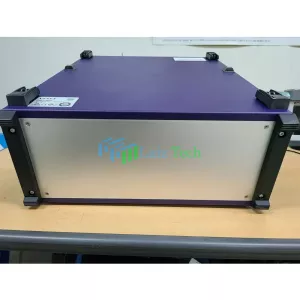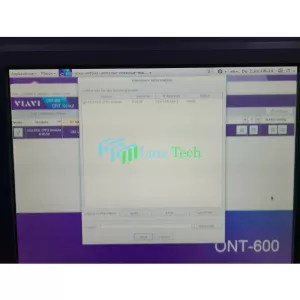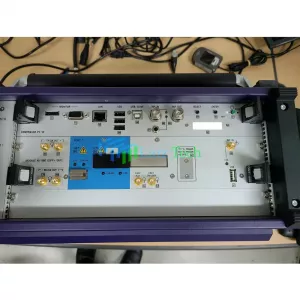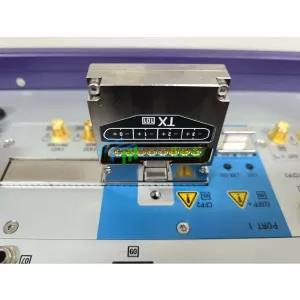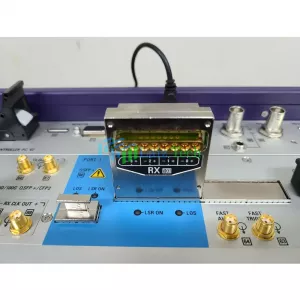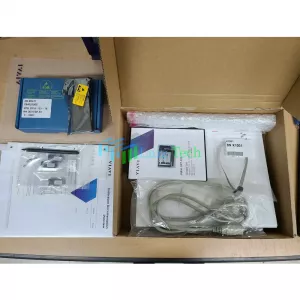
Used VIAVI ONT-600, ONT-603D OPTICAL NETWORK TESTER, CFP2 100G Ethernet 111.8G
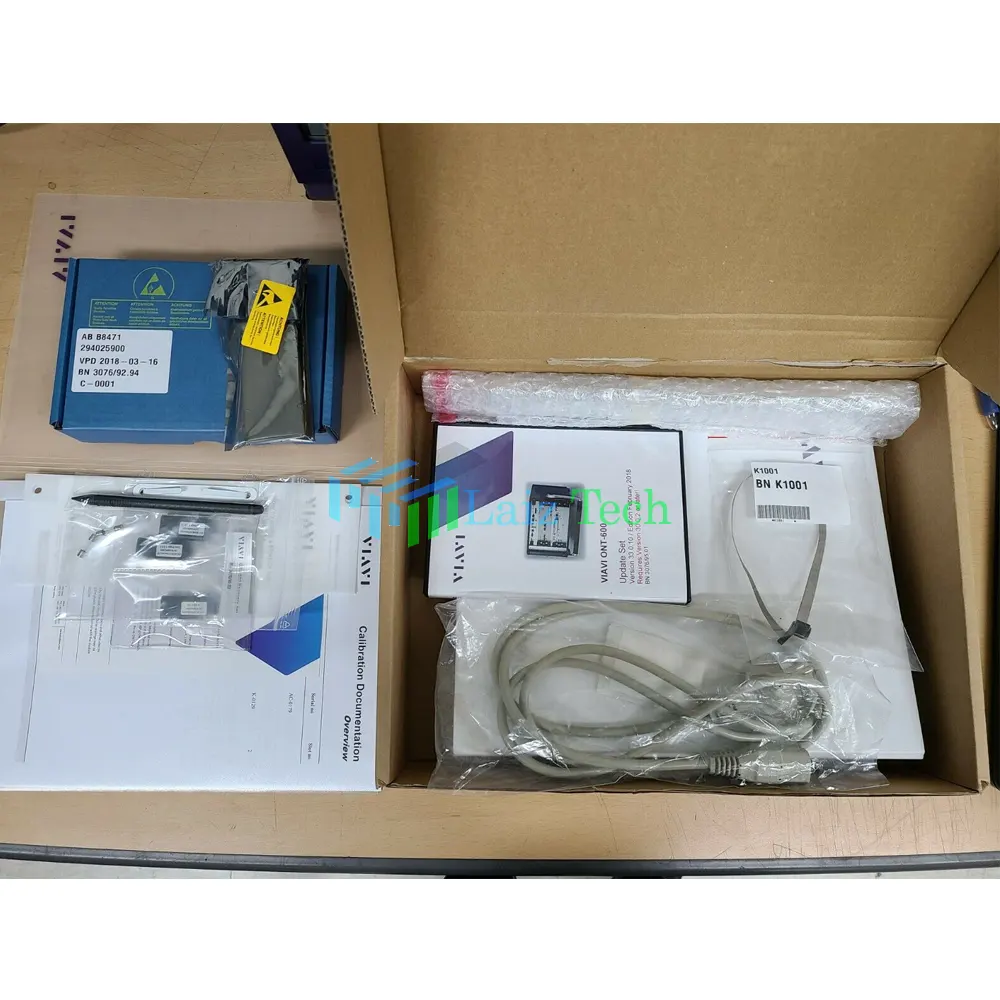
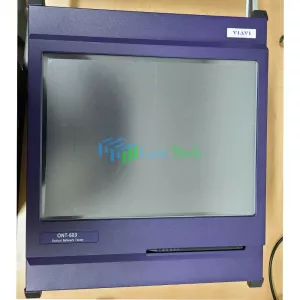
Selling VIAVI ONT-600, ONT-603D OPTICAL NETWORK TESTER, CFP2 100G Ethernet 111.8G. Used. Tested in good working and cosmetic condition , ONT-603D was used once as a demonstration. Comes with a30-day money back guarantee.
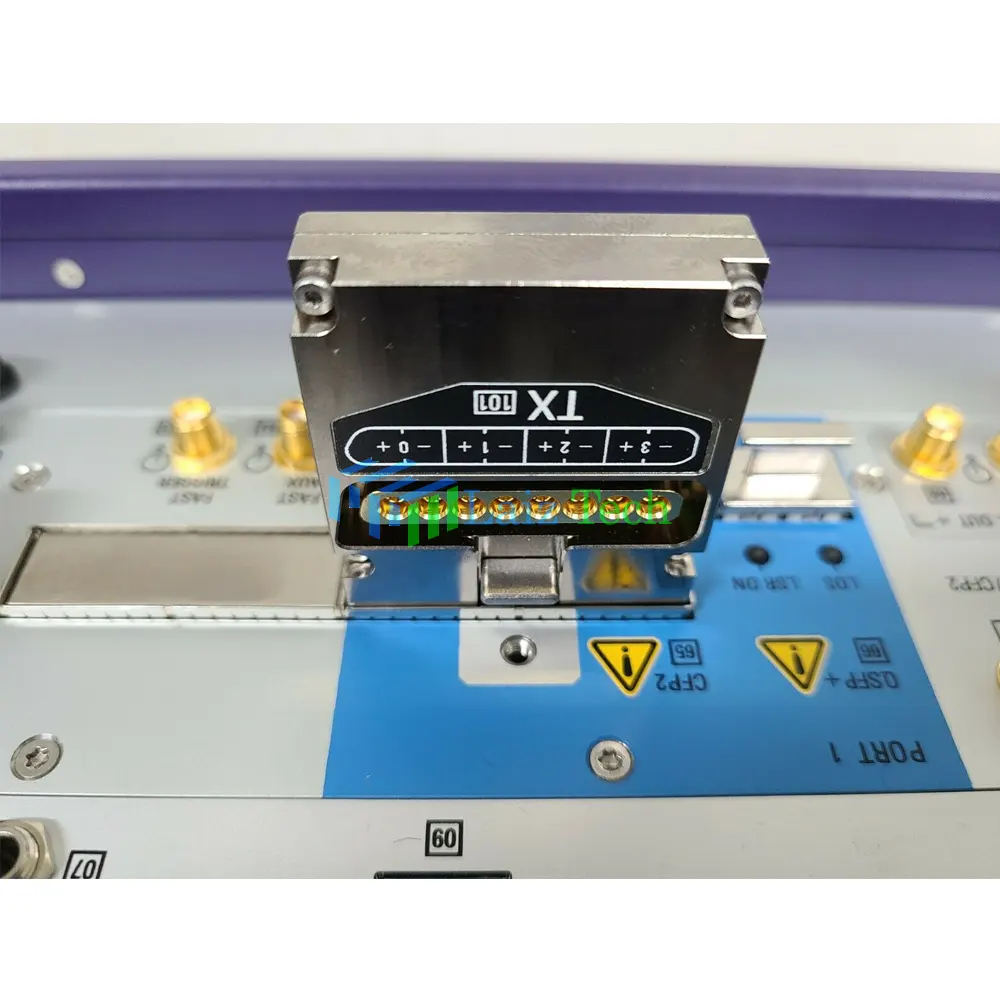
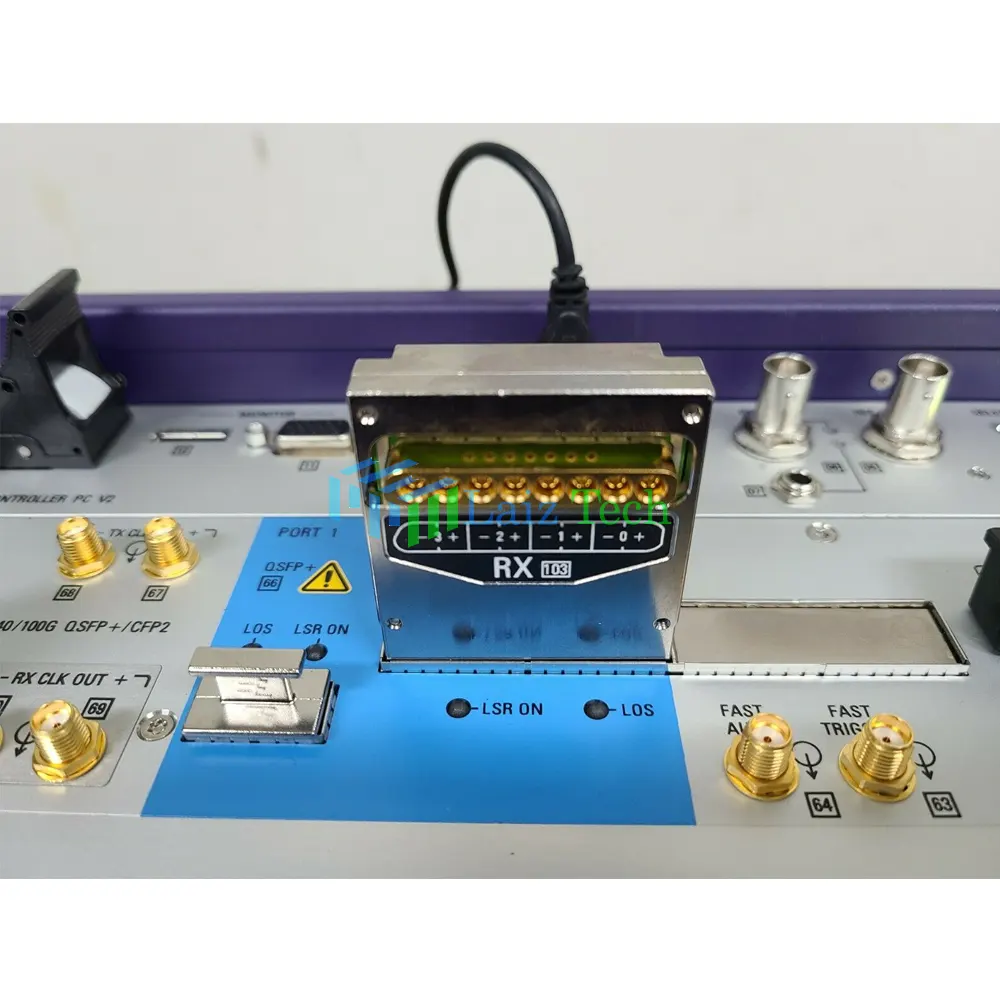
CFP2 data module with basic electrical adapter
3076/01: ONT-603D
3076/92.82: CFP2 100G/111G Data Single Port
3076/94.30: CFP2 Hardware Validation
3076/94.35: SR4 FEC Validation
3061/94.55: 100G/40G OTU4 with Client
3076/92.53: CFP2 4x25G Basic Electrical Adapter
Installed options
3061/94.50 : 100G Ethernet
3061/94.53 : ONT 111.8G with 100GE Client
3061/94.55 : ONT 111.8G Bulk
3076/94.30 : CFP2 Hardware Validation
3076/94.35 : SR4 FEC Aalidation
The modular design of the ONT-600 platform offers high flexibility and lets users operate multiple test modules simultaneously. The ONT-600 comes in a variety of mainframes and application modules, ranging from “single-port” point tools up to a full 19” rack-mounted multi-slot, multi-port and multiuser solution that satisfies sophisticated SVT needs.
Support for next generation, single lambda 100GE pluggables with KP4 FEC and 100GAUI-4
100G-DR (500 m on a single mode fiber) and 100G-FR/LR (up to 2/10 km on SMF) are part of the IEEE standard 802.3cd for 100GE serial transmission. A 100G-DR transponder carries the 100GE signal on a single lambda, using a rate of 53.125 GBaud with PAM-4 modulation and KP4 FEC - RS(544, 514). The solution described here also applies to 100G-FR/LR transponders (up to 2/10 km on SMF) that use 100GAUI-4 at the electrical side.
100G-DR signals are also used by 400G-DR4 transponders with 4 x 100G-DR breakout. 100G-DR transponders with the QSFP28 form factor can plug into standard, non-FEC (4 x 25.78 Gbit/s NRZ) QSFP28 cages, since they have their FEC on-board.
Typically, these transponders also have FEC bypass capability that can be activated via the I2C control interface. In this mode, the FEC needs to be done on the host board itself.
The ONT N-PORT module supports this mode, such that the electrical input into the DR transponder is a 4 x 26.5625 Gbit/s signal with KP4 FEC. This means that the ONT has full control of all FEC Error insertion parameters, and allows to thoroughly test FEC based chips, transponders and systems that are connected to the (up to 4) 100G-DR transponders plugged into the VIAVI N-PORT module.
Key Features
All application modules share the same GUI and identical automation and scripting, so that they can be used throughout the product development cycles.
Benefits
Applications
Mainframe Specifications
| Power supply (nominal range of use) | |
| Nominal voltage range | 110 to 240 VAC |
| Operating voltage range | 85 to 265 VAC |
| Operating frequency | 50/60 Hz |
| Max AC power (fully loaded mainframe) | 750 VA |
| Dimensions and weight (w/o modules) | |
| Dimensions (W x H x D) | 360 x 435 x 170 mm (14.1 x 17.1 x 6.7 in), including handle/ bumpers |
| For display add depth | 20 mm (0.8 in) |
| Weight | 11.6 kg (25.5 lb) |
| 19” rack mount kit | 0.2 kg (0.4 lb) |
| Instrument operation | |
| The ONT-600 high-end controller uses the Linux operating system and supports three types of operation: Local GUI via built-in touch screen (ONT-603D and ONT-606D) and by connecting screen/mouse/keyboard (ONT603/606/612H). Remote operation is provided via Java Web Start or VNC. Individual user programs may run on the high-end controller board, for example, Wireshark or similar tools used to analyze captured data. Scripting from another computer connected via Ethernet is supported for all controller versions. | |
| Remote control for test automation | |
| The ONT-600 can be controlled remotely via SCPI commands sent by the customer’s program using Ethernet TCP/ IP. Modules are addressed independently and in parallel and may be shared among multiple users. Universal driver libraries facilitate automation with specific support for individual applications. Scripting support is provided via Tcl/ Tk, Python, C libraries, and LabView drivers. The interactive GUI also works in parallel with remote control making it easy to develop automated scripts. | |
| Ambient temperature | |
| Nominal range of use | +5 to +40°C (41 to 104°F) |
| Storage | −20 to +65°C (−68 to 149°F) |
| Transport | −20 to +65°C (−68 to 149°F) |
| Local Mini LCD display | |
| Display type | Graphic LCD display 128 x 32 pixels |
| 2 push buttons | Display and control: IP address and mainframe reference clock settings |
| Clock and synchronization | |
| Internal master clock module accuracy | ±1.0 ppm (Exceeds T1.101 stratum 3/3E accuracy) |
| External synchronization | |
| Clock and time of day synchronization | NTP, PTP, external GPS |
| Connector, unbalanced | 75 Ω, BNC jack |
| Clock source | DS1, E1, 1544, 2048 kHz, 1, 5, 10 MHz, 64, 6312 kHz |
| Connector, balanced | 110 Ω, Bantam jack |
| Clock source | DS1, E1; 64, 1544, 2048 kHz, 1 MHz |
| Clock output | |
| Connector, unbalanced | 75 Ω, BNC jack |
| Connector, balanced | 110 Ω, Bantam jack |
| Clock frequencies | |
| E1, DS1, 64 kHz, 2048 kHz, 1544 MHz | |
| Addressing scheme | |
| 1 IP address needed per complete mainframe | |
| Remote operation via LAN | |
| Touch screen display | |
| Display | 15 inches Large color TFT |
| Resolution | 1024 x 768 (XGA) |
| Interfaces, storage, data transfer | |
| The ONT-600 uses an internal controller PC allowing to run LINUX-based customer applications | |
| Interfaces | Ethernet (RJ45), 3 x USB, External keyboard, mouse, VGA, DisplayPort |
| Processor | Intel 2GB RAM |
| Hard drive for data/setup storage | ≥ 160GB |